
dytch guide
How to Find Direct Shippers to Haul Freight For
Ask a room of truckers how to get better freight and somebody will say it: go direct. Find shippers, skip the broker, keep the margin. Nobody disagrees. The part nobody explains is where direct shippers actually come from and what they expect once you find one. This guide is our working answer, built from the industry sources listed at the bottom and organized as a workflow: define your lane fit, build a short list, qualify it, then make yourself easy to vet.

What is direct freight, actually?
A direct shipper is the company that owns the freight: the manufacturer, the food plant, the distributor. Hauling direct means you sign the carrier agreement with them, invoice them, and wait out their payment terms, with no broker in the middle.
That changes the economics, and not automatically in your favor. There is no broker margin in the rate. There is also no broker absorbing the work around the rate: the billing, the claims, the credit risk if payment runs long, and the expectation that you cover the lane consistently, including the week your truck is in the shop. Whether a direct account nets you more than brokered freight depends on all of that, per account, not on a universal rule.
The rate is the headline. The terms are the story.
So treat direct freight as a different job, not a cheat code. Same truck, more responsibility. Our advice: keep your boards and brokers in the mix while you build direct accounts slowly, and let each account prove its math before you lean on it.
Are you ready for direct freight?
Shippers hand freight to carriers they believe will still be there next quarter. Before you spend a minute on outreach, check yourself against what shippers commonly screen for:
- Active authority and insurance that meet the shipper's stated requirements
- The ability to run the lane consistently, even when a truck is down
- Cash reserves to float fuel and fixed costs through invoice payment terms
- Clean paperwork: agreements, PODs and invoices that never need chasing
- A plan for the return leg, so the round trip makes money too
If two or more of these are shaky, our advice is to strengthen them on broker freight first. A direct relationship that collapses early costs you more than the loads were worth, and word travels.
Step 1: What freight fits your operation?
Most direct prospecting fails before it starts, because it starts with a list of companies instead of a description of freight. Write yours down first:
- Your equipment, exactly: type, length, temperature range, anything a shipper would ask
- The lanes you can run profitably, with the return leg priced in, not just the headhaul
- How many loads per week you can genuinely commit to, every week, no heroics
- Your minimum rate per lane, deadhead miles included
One truck that can promise two specific loads a week, every week, on a named lane is a real offer. “We haul anywhere, anytime” is not. Everything after this step gets easier, because you will know a fit when you see one and walk away from the rest.

Step 2: Where do direct shippers actually come from?
Skip the purchased contact lists. The best prospects come from freight you can see with your own eyes or verify with one conversation:
- The docks you already visit. The receiver on your brokered loads may have outbound freight of its own, and the shipper on the other end may be underserved. First, check your broker agreements: many have back-solicitation clauses, and “I did not read it” is not a legal strategy.
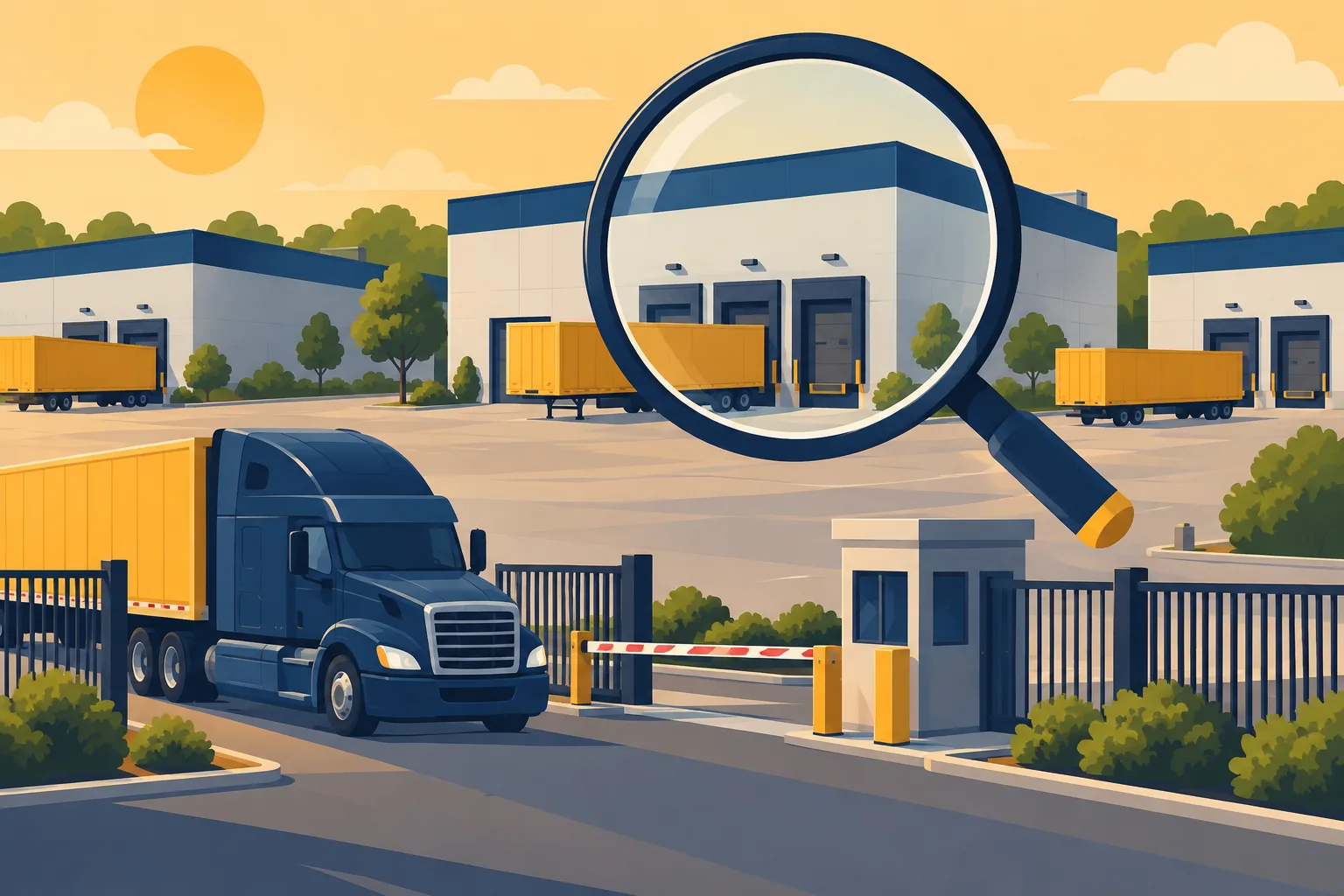
- Industrial parks, food processing corridors, ports and distribution hubs near your home base. Facilities with loading docks are possible freight activity to confirm, not proof: some are receiving-only.
- Referrals from customers, drivers, dock staff and shipping clerks. Ask specifically: “Do you know anyone else shipping out of this facility?” lands better than “let me know if you hear of anything.”
- Visible signals: trailers staged in a yard, trucks queued at a gate, a job posting for a shipping office role. All of it hints at freight activity worth confirming.
- Directories and associations: chambers of commerce, manufacturing associations, industrial park tenant lists. Use them to find names, then research each one.
Keep the list short enough that you can research every name on it. Twenty companies you actually understand beat two hundred scraped rows you know nothing about.
Step 3: Is this shipper worth pitching?
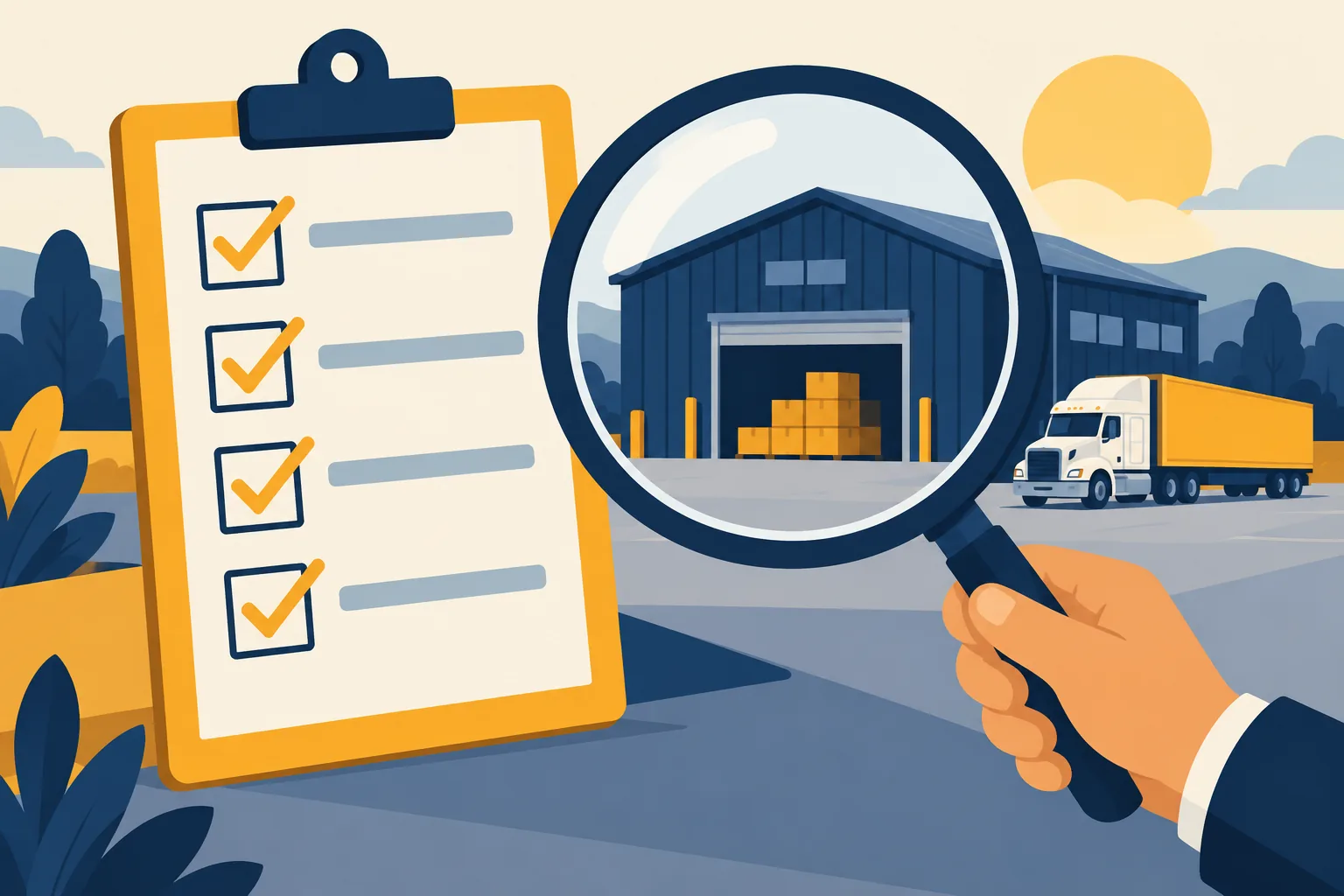
For each name on the list, answer five questions before the first call or email:
- What do they ship, and does it fit your equipment?
- How often do they ship it, and does the volume match what you can commit?
- Does the lane pay your minimum rate round trip?
- Who owns the transportation decision?
- Do they use outside carriers at all, or is everything handled by their own fleet or one incumbent?
Research what you can from their website, their job postings and dock conversations. Real rates and volumes usually only come out in conversation, so expect to ask. The questions you cannot answer from research become your first questions. Walking in with solid research and two honest questions looks very different from “got any freight?”
One caution on identity checks: a company's FMCSA authority record tells you what it is registered to do, not the role it plays in a specific deal. Some companies ship their own freight and broker other freight. So qualify the transaction, not just the record: who signs the carrier agreement, and who pays the invoice?
The same caution applies to platforms advertising “direct shipper” loads. Treat the label as a claim to verify on the specific freight, not a guarantee. That habit is worth more than any subscription.
Step 4: Will you pass a two-minute background check?
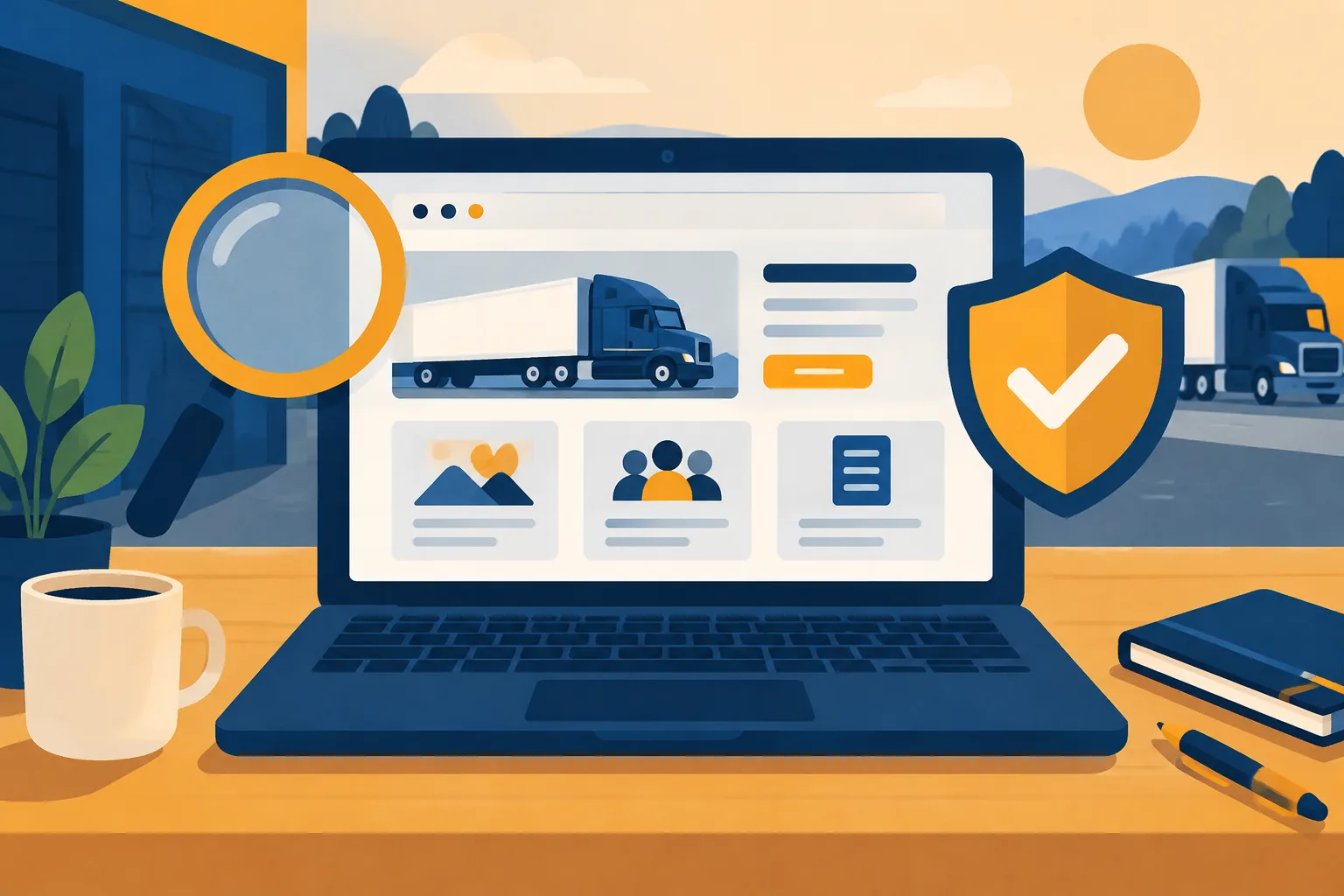
When a shipper hears your name, someone on their team will search for it. What they find, or fail to find, shapes whether you get called back. This is the part you control completely:
- A clean website that says what you haul, where you run, and how to request a quote, with a form somebody actually answers
- A complete Google Business profile with real contact details, if your business is eligible for one (a location customers visit or a defined service area)
- Reviews or references from partners willing to vouch for you, gathered before you need them
Full disclosure: building this part for carriers is literally our day job at dytch, so yes, we have strong opinions here. But the logic holds whoever builds it: a shipper vetting an unknown carrier is looking for reasons to say no. Give them fewer reasons.
Step 5: What goes in the packet, and how do you pitch it?
Sooner or later a shipping manager will say some version of: sounds interesting, send me your information. What lands in their inbox next is your company, as far as they know it. Have one bookmarked PDF ready, kept current, in this order:
- Service profile: one page with who you serve, your equipment, your named lanes, your proof points, and contact details. Three named lanes read as a specialist; “48 states” from a small fleet reads as no plan. Leave rates off it. The packet sells the conversation, not the number.
- Authority letter: legal name, DOT and MC numbers, active status.
- Certificate of insurance: auto liability and cargo, with your agent's contact.
- Safety snapshot: your inspection history and record, summarized honestly. They can look you up regardless; showing it yourself reads better.
- References: two or three names who will actually answer. Ask their permission before you list them, and warn them a call may come.
- Standard terms: payment terms you accept, factoring notice if you use one, detention and accessorial expectations, stated plainly.
- W-9: include it when a real prospect is setting you up, not in the first cold send.
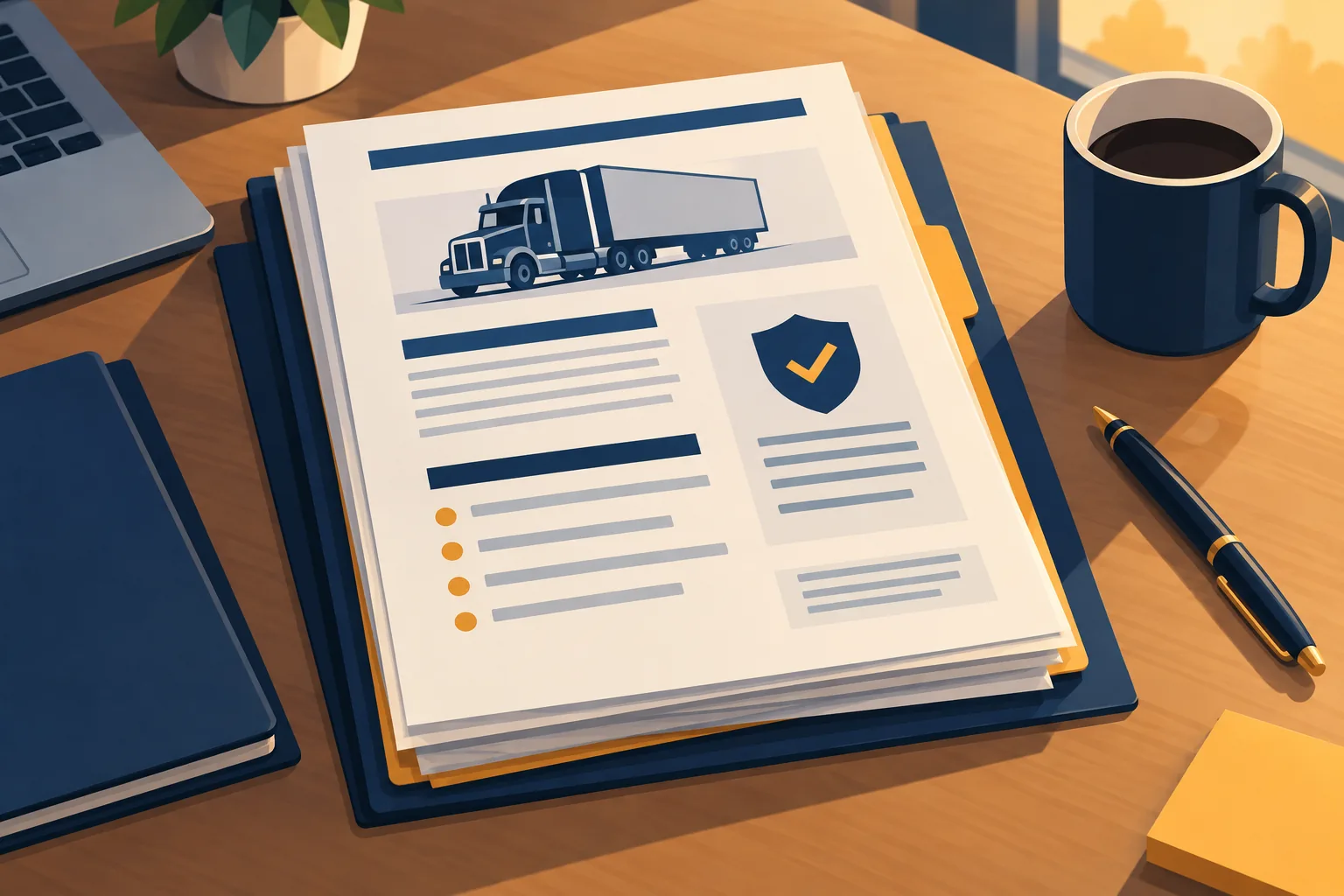
Build the packet once, but send it deliberately: after a real conversation, to an email address you have verified belongs to the right person. It is your company's paperwork. Treat it that way.
Three packet killers. A stale certificate of insurance. A generic blast that reads like it went to five hundred companies. And overclaiming: if a number in your packet cannot survive a check, leave it out.
For the pitch itself, our advice is simple. Lead with the specific lane and capacity you can commit, not “got any freight?” Ask what goes wrong with their current setup and answer those exact points. Propose a small start: one lane, a trial period, or overflow when their primary carriers are full. And focus on service specifics, how you communicate, how you handle problems, rather than price alone. There is usually someone willing to haul it cheaper.
Then follow up on a schedule, politely, and stop when you get a clear no, an opt-out, or it is simply not a fit. A spreadsheet or simple CRM with a next-follow-up date on every row keeps you persistent without becoming a pest.
How does the money work on direct freight?
Brokers commonly offer quick pay. Shippers usually pay on invoice terms, often 30 to 60 days, and your fuel bill does not care. Before you take a direct account, work out how many weeks of expenses you can float, and ask other carriers about the shipper's payment behavior when you can. Factoring can bridge the gap if the margins support it.
Price the round trip, not the headhaul. A strong rate out and an empty trailer home can net less than a boring rate both ways.
On concentration: one rule of thumb you will hear is keeping any single shipper under about a quarter of your revenue. Treat it as a starting point for your own risk math, not a law. The underlying point stands either way: if one customer leaving would idle your truck, that is exposure worth fixing.

What does a realistic first 90 days look like?
- Weeks 1-4: write your lane-fit page, sort out your website and Google profile, and build your short list.
- Weeks 5-8: qualify the list, start outreach with a specific lane offer, and log every contact in your tracker.
- Weeks 9-13: follow up on everything, ask the warm conversations for a small start, and refine the list based on what you learned.
Expect this to be slow, and judge it by conversations started, not accounts closed in week one. Direct relationships tend to begin when an incumbent carrier stumbles and your name is already in the pile. This plan is how you get into that pile. Anyone who promises you a faster, guaranteed timeline is selling something.
Free PDF: The Direct Shipper Starter Kit. The lane-fit worksheet, the qualification checklist, the carrier packet checklist, and the first-contact email script from this guide.
The kit lands in your inbox. Prefer not to share your email? Download the Starter Kit directly (PDF).
Questions carriers actually ask
Can an owner-operator get direct shippers?
Yes, with realistic scope. Smaller shippers with a few loads a week can be a genuine fit for a one-truck operation, especially on regional lanes you already run. What you cannot promise is full-network coverage or instant replacement capacity, so do not pitch it. Pitch the specific thing you can actually commit to.
Do direct shippers pay better than brokers?
It depends on the whole deal. The rate has no broker margin in it. Whether you net more depends on the payment terms, the claims process, the insurance requirements, and the return freight. Run the full math per account rather than assuming direct automatically wins.
Are direct shipper load boards real?
The label is not proof. Some boards and platforms market freight as shipper-direct. Verify the counterparty on the specific load: who signs the contract and who pays the invoice. If the answer is a broker, it is broker freight, whatever the filter said.
How long does it take to land a direct shipper?
Slow, and that is normal. There is no honest fixed answer. Plan for a pipeline measured in months of consistent outreach and follow-up, and judge progress by real conversations, not closed accounts in the first weeks.
How do I get shippers to come to me?
Be findable and vetted. Keep a clean website with a quote form, complete profiles, and reviews from partners who have worked with you. Inbound takes time to build, but every outbound touch works better when the shipper can verify you in two minutes.
About this guide
This guide is by dytch, a small agency that builds lead-generation systems and websites for trucking carriers. Questions, corrections, or a story about your first direct account: dytchagency@gmail.com.
Sources
- CarrierSource, How to Find Shippers for Your Trucking Company (Sep 2026): prospecting channels and inbound vetting
- FleetWorks, How to Find Direct Shippers as an Owner-Operator: readiness check, pitch structure, payment planning
- Sahelm, Load Boards or Direct Shippers: An Honest Comparison (Jun 2026): what direct freight asks of a carrier
- FreightWaves, Combating Cheap Freight With Direct Shippers (Aug 2018): rate questions to answer first, concentration heuristic
- Overdrive, How Owner-Operators Can Win Direct Freight (Oct 2024): niche positioning and being searchable
- CNS, How to Find and Negotiate With Shippers for Direct Customer Freight (Apr 2023): professional presence and packet contents
- Innovative Logistics Group, How to Build a Carrier Packet That Wins Direct Shippers (Jul 2026): packet structure and follow-up practice
- DAT, Pros and Cons: Brokered vs. Direct Shipper Freight (Mar 2019): the counterpoint worth reading
- FMCSA, Definitions of Broker and Bona Fide Agents, final guidance (Jun 2023): how operating authority is defined
Drafted November 5, 2026 from the sources listed above. Advice, not legal or financial counsel.
Send your lanes, get 3 shipper targets back. Free, yours to keep whether or not we ever work together.
Email Aras your lanes